
 Send Inquiry
 Send Inquiry
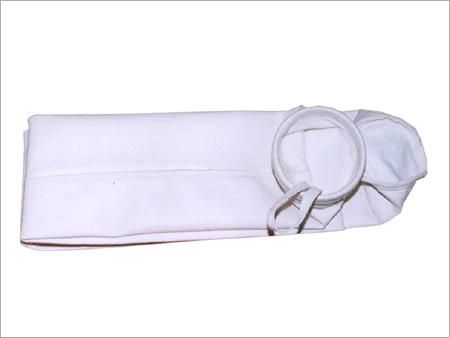
Air Solid Separation Filter Bags
Price 700.0 INR/ Pack
Air Solid Separation Filter Bags Specification
- Capacity
- Customized as per requirement
- Diameter
- 120 mm (standard), customized sizes available
- Resistance
- Low initial resistance
- Material
- Polyester, Polypropylene, Nomex, PTFE, Aramid etc.
- Thickness
- 1.8 mm 2.5 mm
- Thermal Shrinkage
- <1% at 150C
- Working Temperature
- Upto 150C
- Application
- Air solid separation in dust collector systems, industrial filtration
Air Solid Separation Filter Bags Trade Information
- Minimum Order Quantity
- 100 Packs
- Payment Terms
- Telegraphic Transfer (T/T), Cash in Advance (CID), Cheque, Cash Advance (CA)
- Delivery Time
- as per requirment Days
Air Solid Separation Filter Bags About
Owing to our specialization in this domain, we are manufacturing, exporting and supplying premium quality Air Solid Separation Filter Bags. Provided bags are widely used in industries like oil, gas, effluent treatment, etc. This range of filter bags is designed and manufactured using superior grade fabric with the help of latest technology. The offered Air Solid Separation Filter Bags are strictly tested on various tests of quality before delivering it to our clients.
Features:
-
Smooth finish
-
Easy installation
-
Seamless stitching
-
High strength
Customizable Solutions for Every Application
Whether you operate in heavy industry or require specialized filtration, our dust filter bags can be manufactured in standard and custom sizes. This includes capacity adjustments and a wide range of materials, ensuring compatibility with your dust collector systems. Our commitment to customization guarantees you receive optimal performance and a perfect fit for your filtration challenges.
Engineering for Durability and Efficiency
These filter bags are constructed using advanced materials such as Polyester, Polypropylene, Nomex, PTFE, and Aramid. This combination ensures excellent durability, resistance to high temperatures, and low initial resistance for maximum airflow and dust retention. With a thickness range of 1.8 mm to 2.5 mm and minimal thermal shrinkage, our bags deliver consistent results throughout their service life.
FAQs of Air Solid Separation Filter Bags:
Q: How are the Air Solid Separation Filter Bags installed in dust collector systems?
A: The filter bags are designed for straightforward installation in dust collection units. They come in standard 120 mm diameter and also customizable sizes, allowing easy replacement and fitting into various dust collector housings. Detailed instructions are provided for both installation and replacement procedures.Q: What materials are used in the construction of these filter bags?
A: These filter bags are manufactured using high-performance textiles including Polyester, Polypropylene, Nomex, PTFE, Aramid, and others. The choice of material depends on your specific application, particularly temperature requirements and chemical compatibility.Q: When should I replace my filter bags to maintain optimal filtration efficiency?
A: Filter replacement frequency depends on the operating environment, dust load, and maintenance schedule. Indicators for replacement include reduced airflow, increased pressure drop, or visible wear and tear. Regular inspection will help ensure continuous high efficiency.Q: Where can these filter bags be used besides standard dust collector systems?
A: These filter bags are suitable for various industrial filtration applications, including cement plants, power stations, metal processing units, and more. Their compatibility with high temperatures and multiple material choices makes them versatile for a wide range of industries.Q: What is the process for customizing filter bag capacity and dimensions?
A: Customization involves specifying your required measurements (diameter, length, and thickness) and selecting appropriate materials. Our manufacturing team consults with you to tailor the bags precisely to your dust collector system and filtration needs.Q: How does the low initial resistance of these filter bags benefit users?
A: Low initial resistance means that the filter bags allow higher airflow with less energy required to move air through the system. This contributes to better filtration performance, energy savings, and extended life of your dust collection equipment.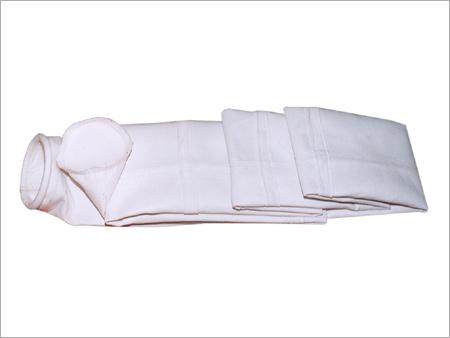

Price:
- 50
- 100
- 200
- 250
- 500
- 1000+

More Products in Filter Bags Category
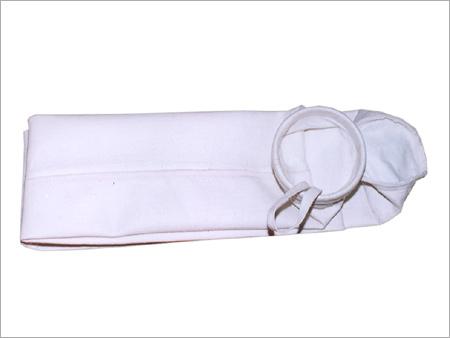
Dust Collector Filter Bags
Price 500.0 INR / Pack
Minimum Order Quantity : 100 Packs
Diameter : 100 mm to 200 mm Millimeter (mm)
Resistance : Low initial resistance
Working Temperature : 130 TO 150 Celsius (oC)
Thermal Shrinkage : <1% at max working temperature
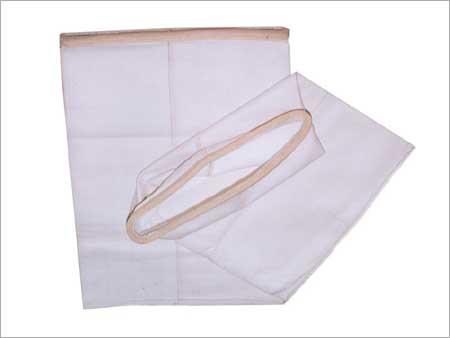
Cassette Type Filter Bag
Price 200 INR / Piece
Minimum Order Quantity : 100 Pieces
Diameter : Standard and customized sizes available
Resistance : Low initial resistance
Working Temperature : Up to 80C
Thermal Shrinkage : <1% at 120C
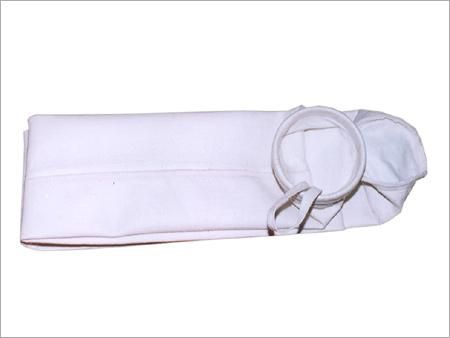
Low Temperature Filter Bags
Price 350.0 INR / Pack
Minimum Order Quantity : 100 Packs
Diameter : Customized (Usually 100 mm to 200 mm)
Resistance : Alkali and Weak Acid Resistant
Working Temperature : Below 120C
Thermal Shrinkage : <1% at 90C for 1 hour
Snap Type Filter Bag
Price 1100.0 INR / Pack
Minimum Order Quantity : 10 Packs
Diameter : 150 mm
Resistance : Low initial resistance
Working Temperature : Up to 120C
Thermal Shrinkage : <1% at 120C

Developed and Managed by Infocom Network Private Limited.

